
Commercial & Industrial Fencing. Experience You Can Build On.
Fencing for general contractors, developers, businesses, institutions, and industrial facilities. We manufacture our own fence, build to your project’s plans and specifications, and install with our own crews. Every commercial project gets a dedicated project coordinator, from the first call to completion.
Or call 1-866-MAE-7770
- Family-owned since 1927
- We make our own fence
- One coordinator, start to finish
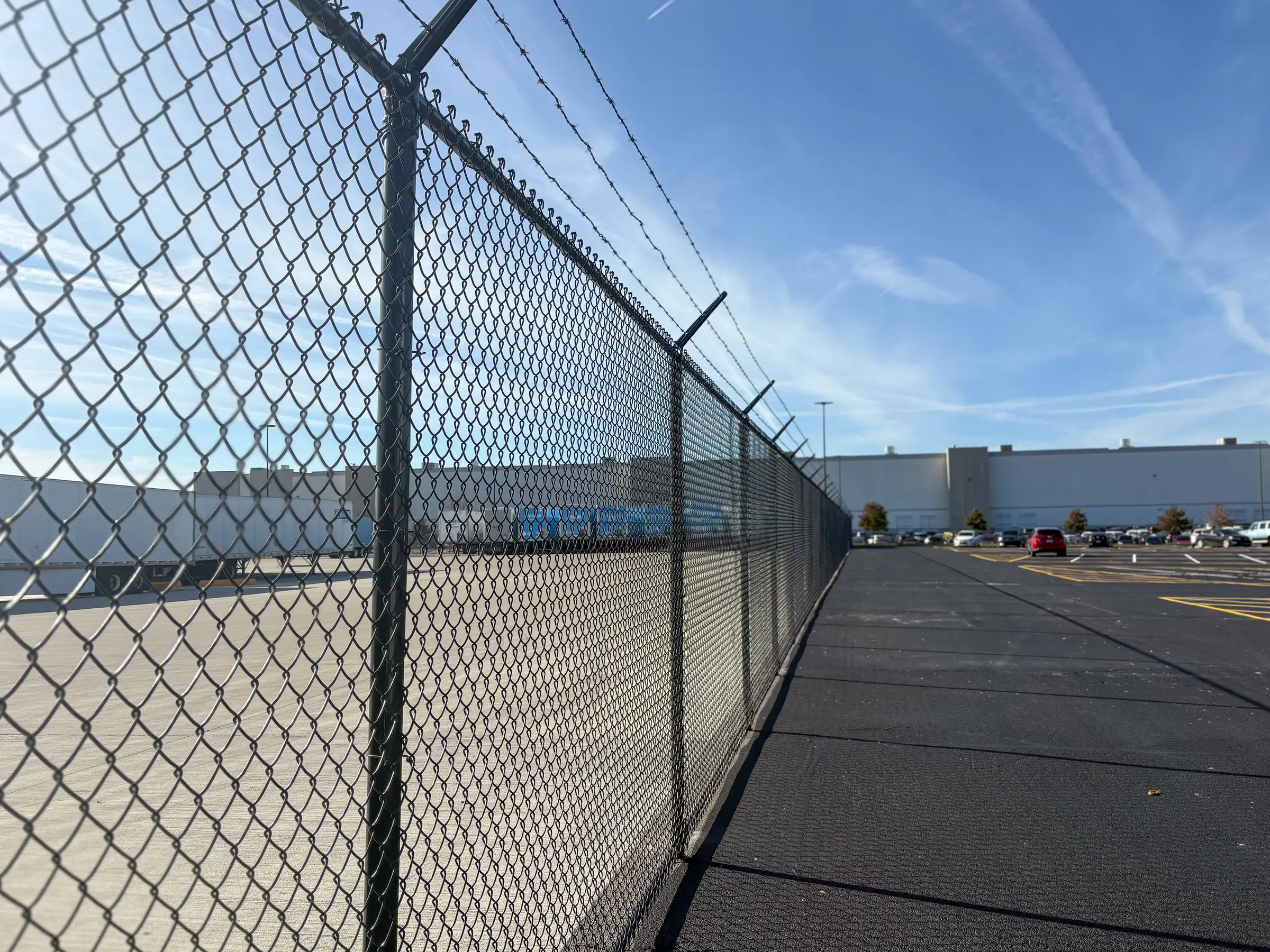
Every site fences for a different reason.
A commercial fence might control who comes and goes, protect equipment, keep people clear of a hazard, screen what shouldn’t be seen, or finish the look of a building. Before we price anything, we find out what yours has to do.
Security
Warehouses, distribution centers, manufacturing facilities, equipment yards
Perimeter protection
Industrial properties, business campuses, storage facilities
Access control
Employee entrances, restricted areas, loading facilities, controlled entry points
Privacy
Apartment communities, commercial properties, outdoor work areas
Safety
Machinery areas, utility facilities, hazardous locations, restricted work zones
Property boundaries
Commercial developments, industrial parks, retail properties
Screening
Dumpsters, mechanical equipment, utility areas, outdoor storage
Recreation
Athletic fields, playgrounds, tennis courts, parks
Multi-family
Apartment complexes, condominium developments, shared amenities
Public facilities
Schools, municipal buildings, public works facilities
Architectural appearance
Office buildings, retail centers, hospitality properties
Construction security
Active construction sites, temporary restricted areas
These are examples, not limits. If your project isn’t on the list, tell us what the fence needs to do and we’ll tell you how we’d build it.
Commercial-grade materials. Built to project specifications.
Commercial fencing isn’t one product in a heavier size. A distribution center, a school, and a utility yard can each call for a different grade, structure, finish, and way of installing it.
On most commercial work, the project’s architect or engineer sets those requirements. Our job is to read them correctly and build to the approved documents, not to assume a standard residential product will do.
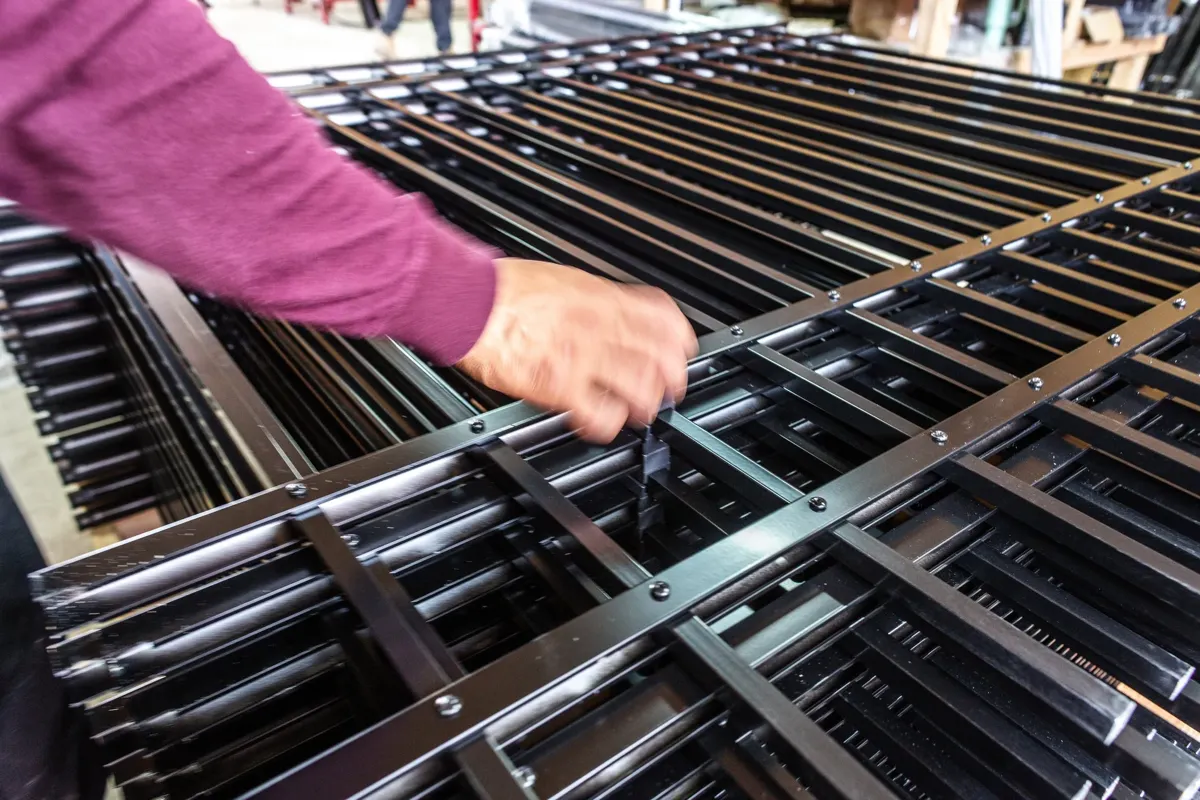
We manufacture our own aluminum and chain link, fabricate our own vinyl, and source premium cedar, so we control what goes into every fence we put in the ground.
What the specification usually decides
- Material and grade
- Posts and footings
- Height and infill
- Finish and coating
- Gates and hardware
- Installation method
32 31 00
Fences and Gates
| Section | Title | We build it in |
|---|---|---|
| 32 31 13 | Chain Link Fences and Gates | Chain link |
| 32 31 19 | Decorative Metal Fences and Gates | Aluminum |
| 32 31 23 | Plastic Fences and Gates | Vinyl |
| 32 31 29 | Wood Fences and Gates | Cedar |
Experienced with architectural plans, surveys, and construction documents.
Commercial fencing usually starts on paper. Before a post goes in, we review the drawings, survey, and specifications to confirm where the fence runs, where the property line sits, where gates and access points go, and what the installation details require.
When something needs clarifying, we work it out with the general contractor, architect, engineer, or project manager before it turns into a problem on site.
We work from
- Architectural drawings and construction plans
- Plats of survey and property surveys
- Site plans and property layouts
- Project specifications
- Installation details and other project documents
- 1Fence location and alignment
- 2Gate locations
- 3Property line, from the survey
- 4Access points
One dedicated contact, from your first call to project completion.
Commercial projects have a lot of moving parts. Instead of calling different departments or tracking down different people, you work with one Mae Fence commercial project coordinator who knows your project and stays with it to the end.
Our Commercial Fence Coordinator, Mason, is the person you’ll hear from on a commercial project, from the first conversation through the final walkthrough.
mason@maefence.com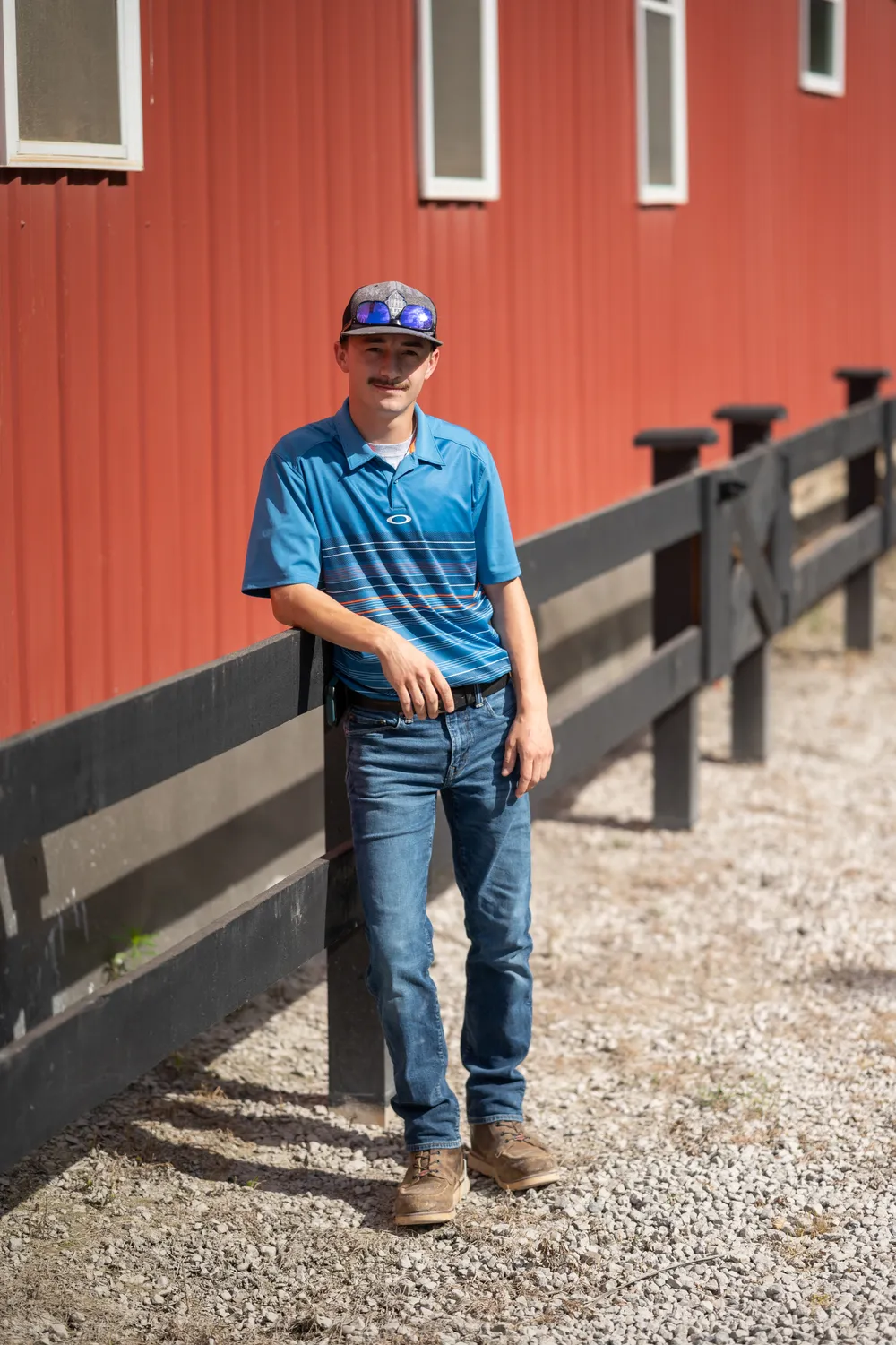
Initial contact
Learns what you’re building, answers questions, and gathers what we need to get started.
Site visit
Arranges the visit, reviews site conditions, and collects what estimating and planning need.
Plans and specs
Goes through the drawings, survey, specifications, and other project documents with you.
Pricing and proposal
Coordinates the estimate, answers pricing questions, and helps with bid requirements.
Scheduling
Sets schedule expectations and keeps requirements and coordination needs clear.
Completion
Stays involved through the final stages of installation and project completion.
Available the whole way
Questions, information, and concerns go to the same person for the life of the project, so nothing gets lost between departments.
Commercial work, installed by our crews.
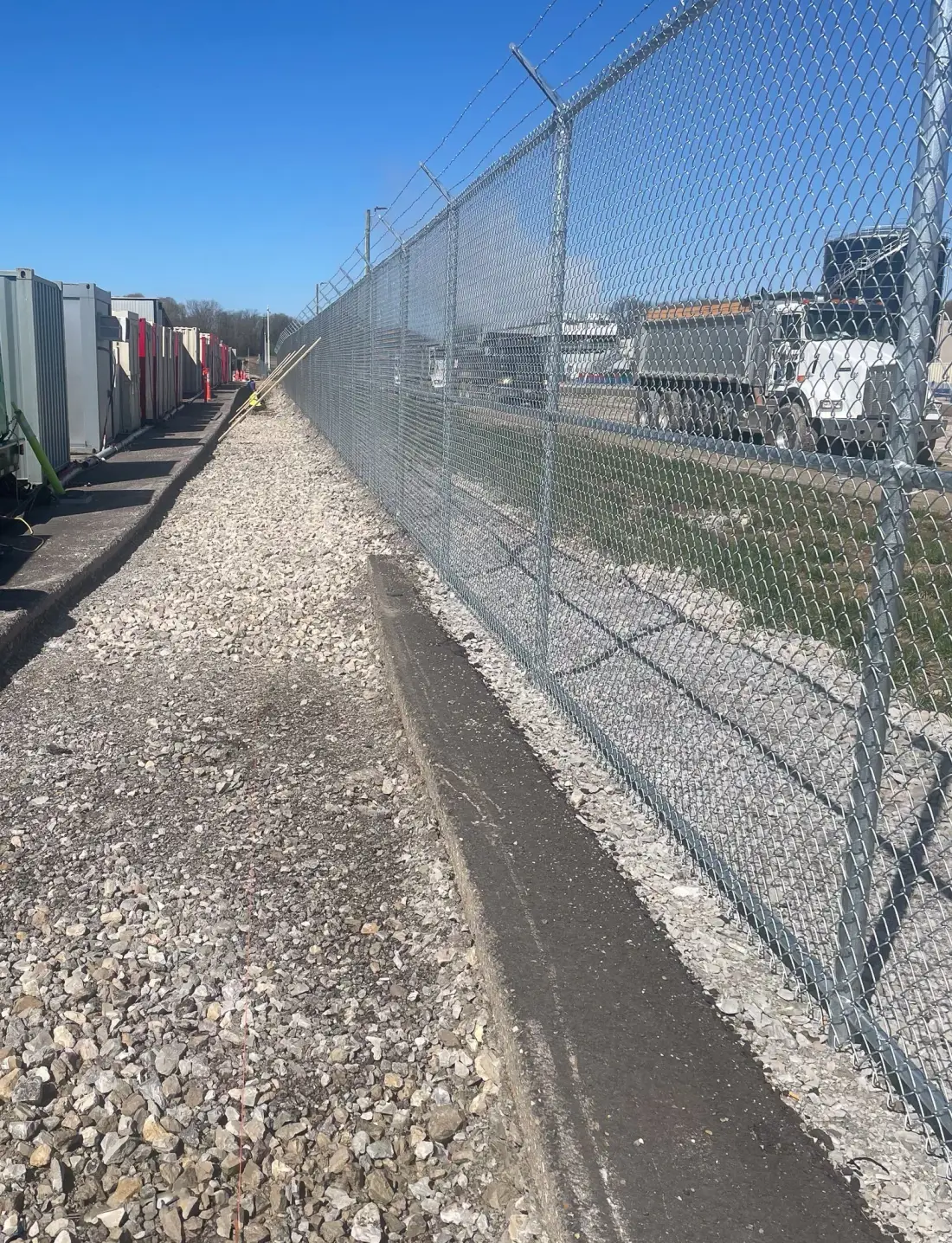
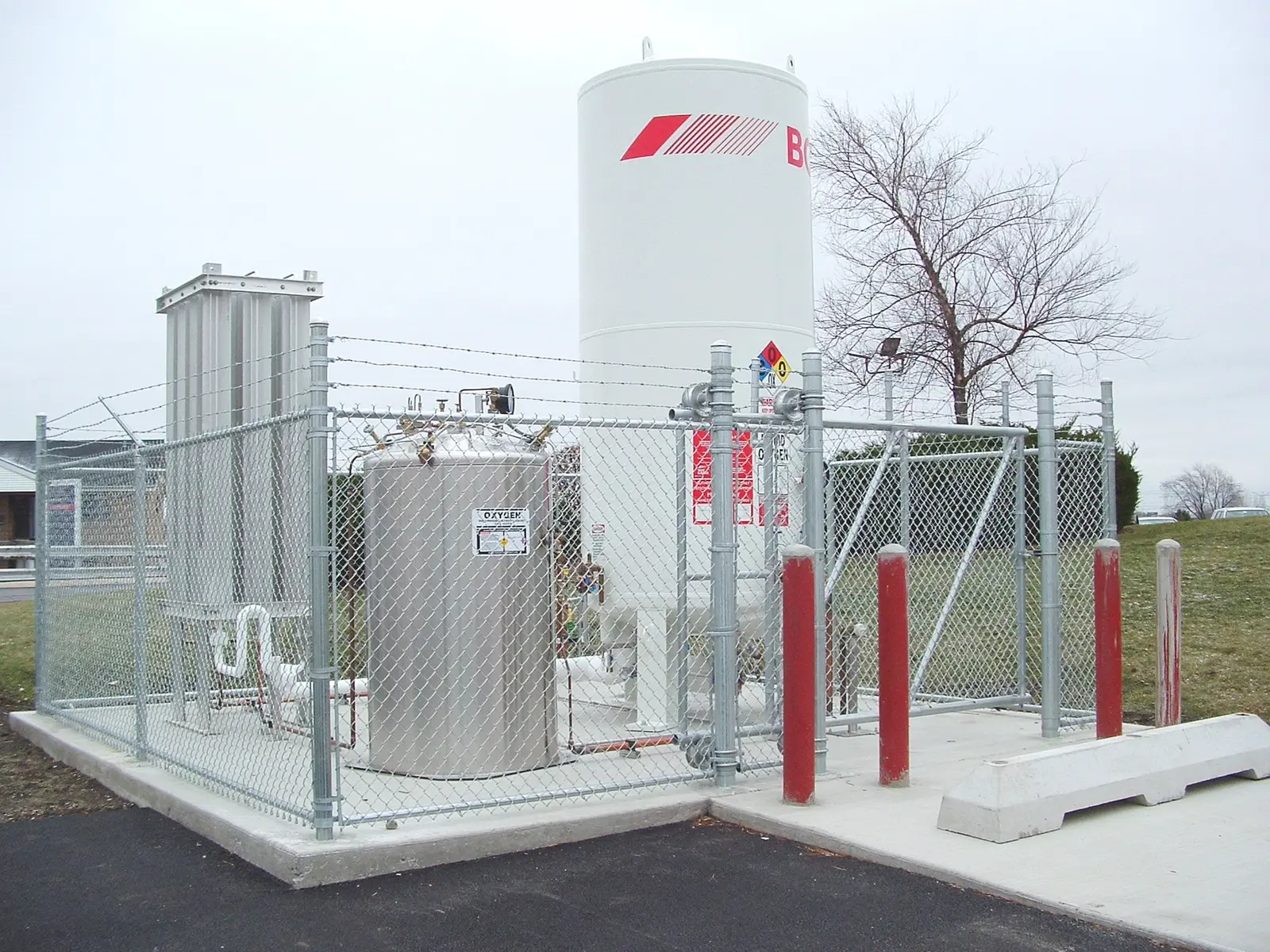
Construction securityGalvanized chain link with barbed wire 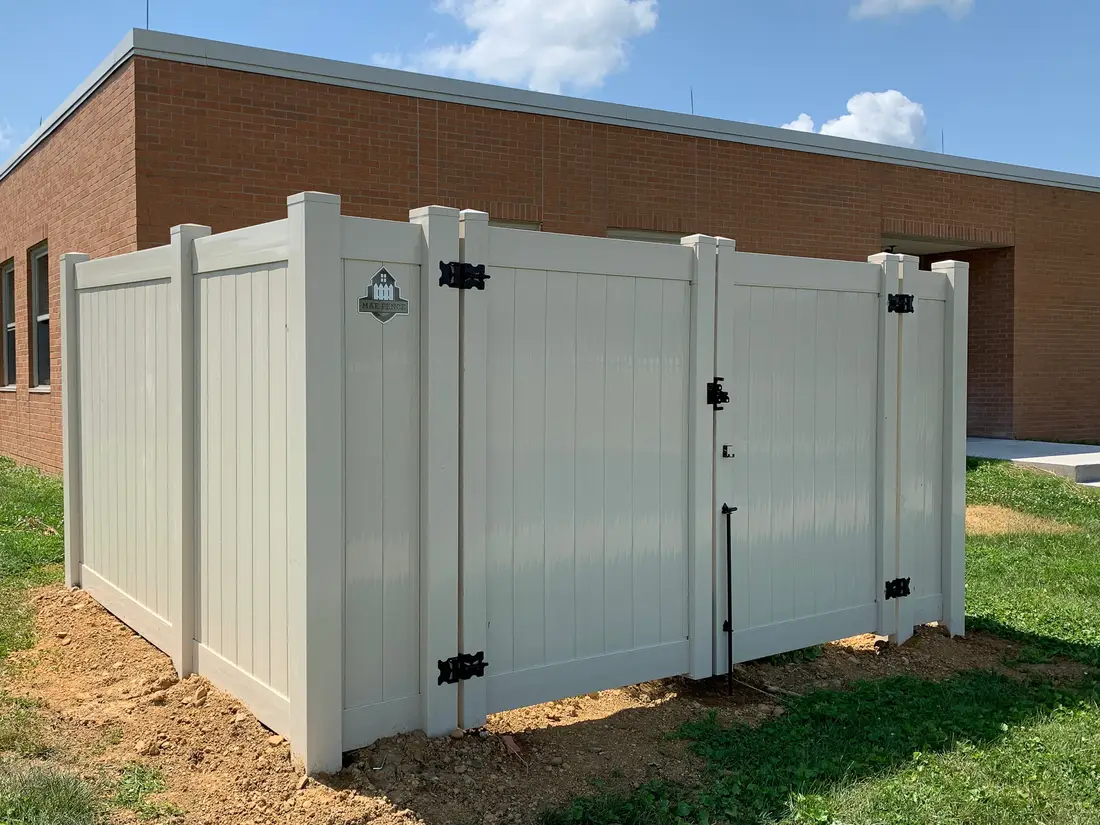
ScreeningVinyl dumpster enclosure 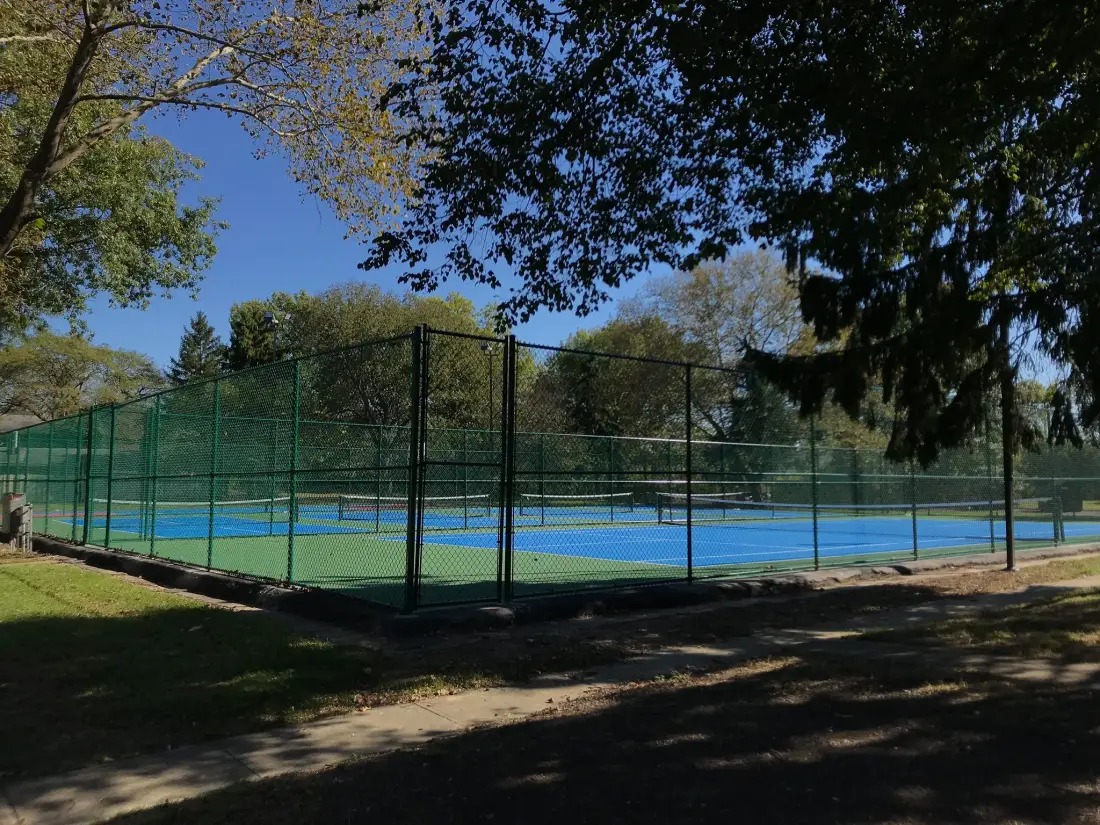
RecreationVinyl-coated chain link around courts 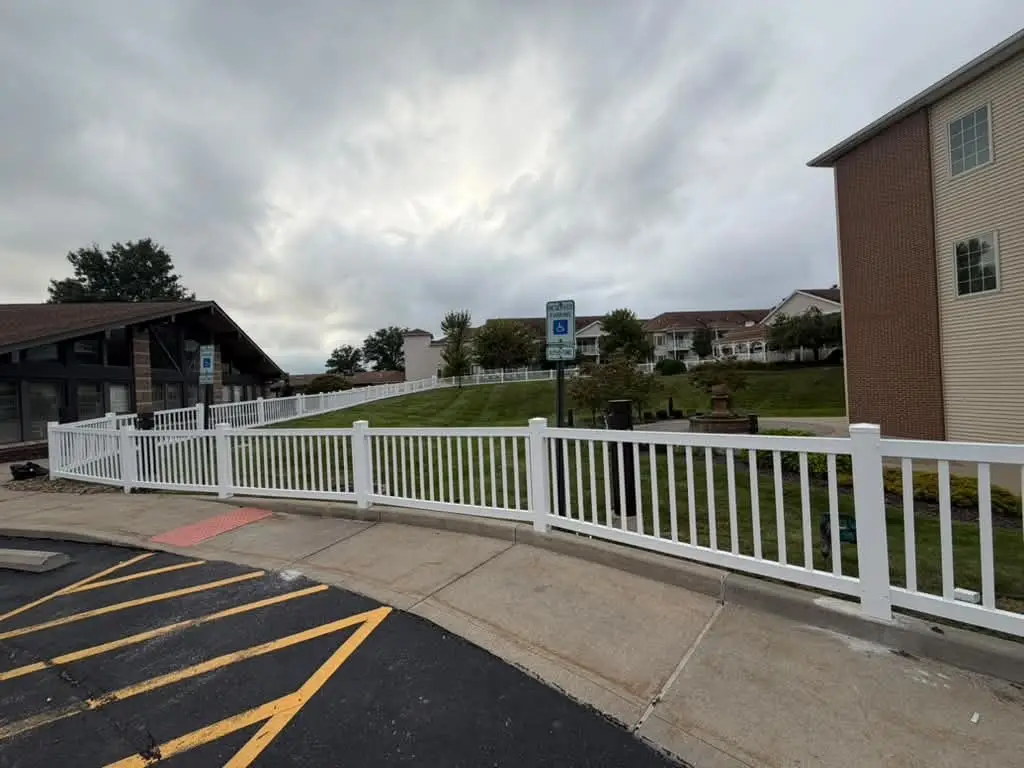
Multi-familyVinyl along a community walkway 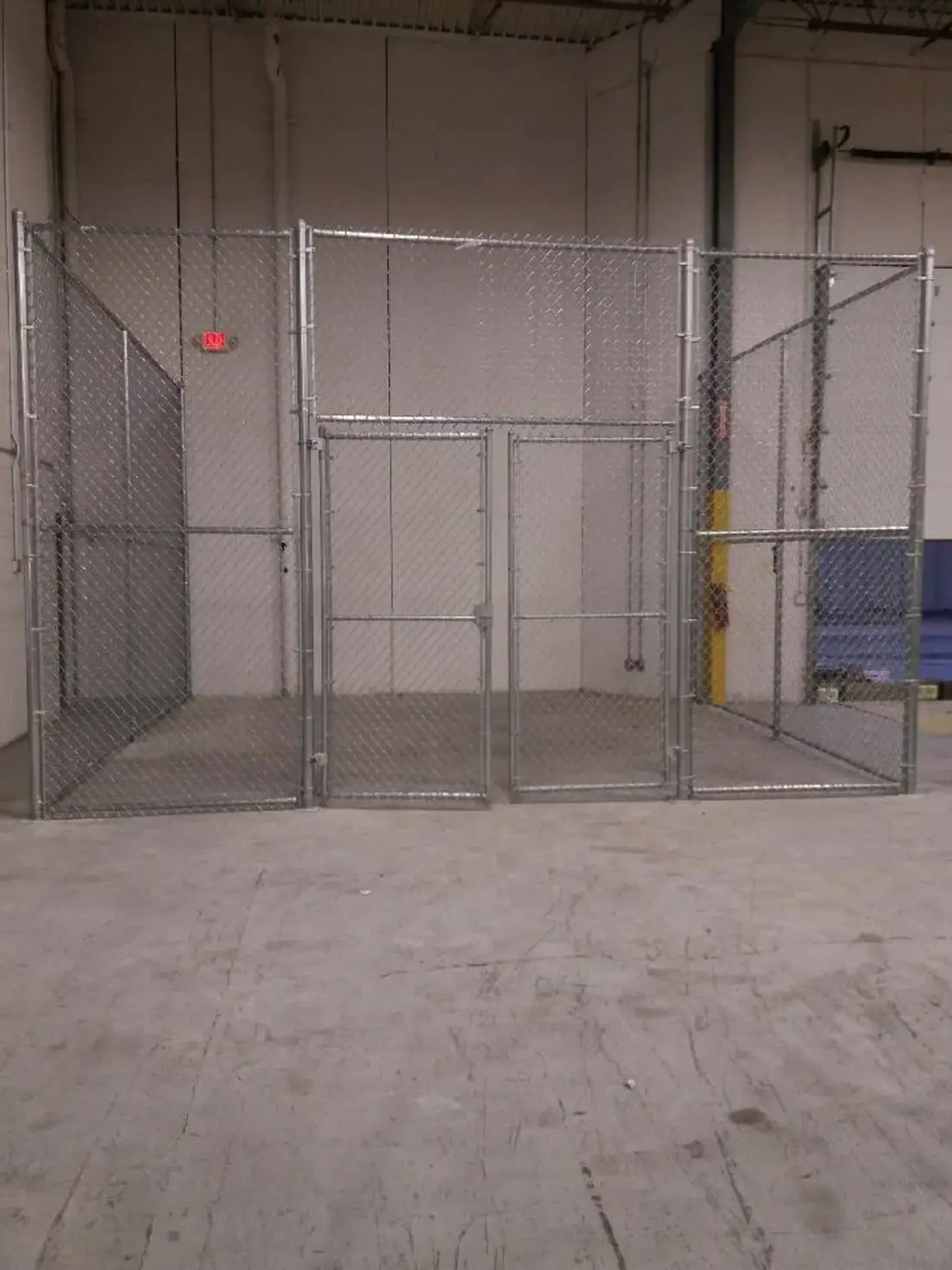
Access controlStorage cage inside a warehouse
Safety-focused. Qualified for demanding commercial environments.
Working on an active commercial or industrial property means following its rules as well as our own. Mae Fence follows applicable OSHA standards, and our crews work within each site’s safety procedures and project-specific requirements.
We’ve completed the safety qualification required to sell and install fencing at Amazon facilities.
If your facility has its own contractor approval process, we’re prepared to work through it with you.
Licensed, bonded, and insured. Prepared for commercial requirements.
General contractors, developers, public agencies, and industrial facilities expect the paperwork before anyone sets foot on site. We keep our qualifications current and provide the documentation your approval process asks for.
$5,000,000
Up to $5 million in blanket umbrella liability coverage.
- Workers’ compensation
- We maintain workers’ compensation coverage for our crews.
- Licensing and bonding
- We hold the licenses and bonds required in the cities and municipalities where we currently work.
- Certificates of insurance
- We provide certificates of insurance and other insurance documentation on request.
- Background checks
- We’ll complete company or employee background checks when a project’s approval process requires them.
- Contractor qualification
- Some projects need documentation and approvals before work can begin. We work with you to provide them.
Prepared for prevailing wage projects.
Schools, municipal work, government facilities, and other publicly funded construction often require prevailing wages. Our pay practices meet applicable prevailing wage requirements on qualifying projects, and we coordinate with project administrators on the wage documentation they need.
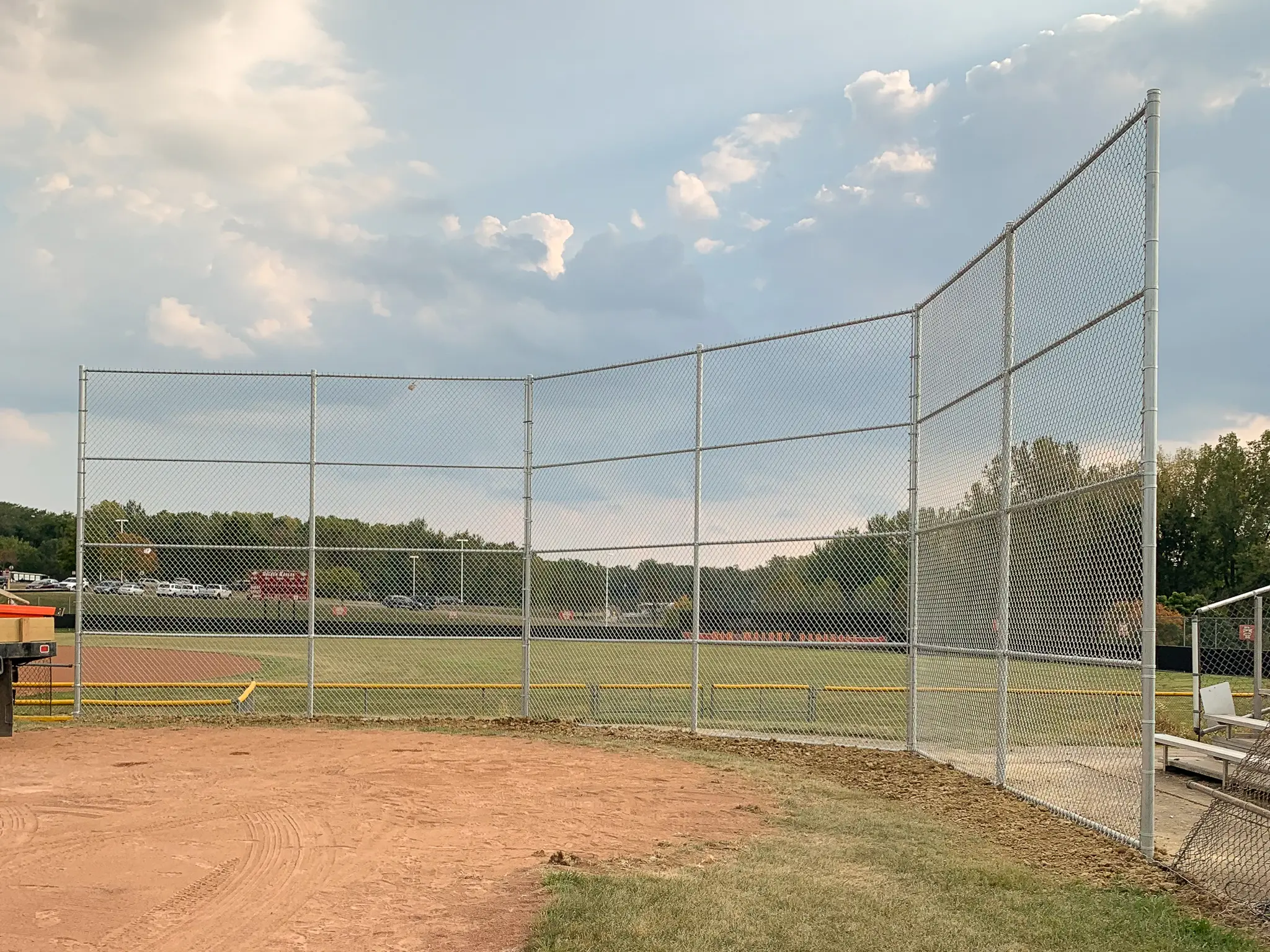
Ballfield backstop, a Mae Fence install
A commercial fencing partner that understands construction.
On most commercial jobs, the fence is one scope among many. We plan our work around the approved plans, the project schedule, site conditions, and the trades working before and after us, and we keep the general contractor informed along the way.
Because we manufacture our own fence, the fencing scope stays with one company from our shop floor to the last post on your site. We understand where our work fits in the larger project, and what the people around us need from it.
We work alongside
- General contractors
- Developers
- Architects and engineers
- Project managers
- Facility managers
- Purchasing departments
- Government agencies
- Business owners
Commercial fencing questions.
What contractors, facility managers, and purchasing departments ask before a project starts. Anything specific to your site, your coordinator can answer.
Bring us your next project.
Request a commercial quote, or send your plans and specifications and your project coordinator will take it from there.
Helpful to include
- Drawings or a site plan
- The survey
- The fence specification section
- Schedule or bid due date
- Site address