
How Do You Prevent A Fence From Leaning In Ohio?
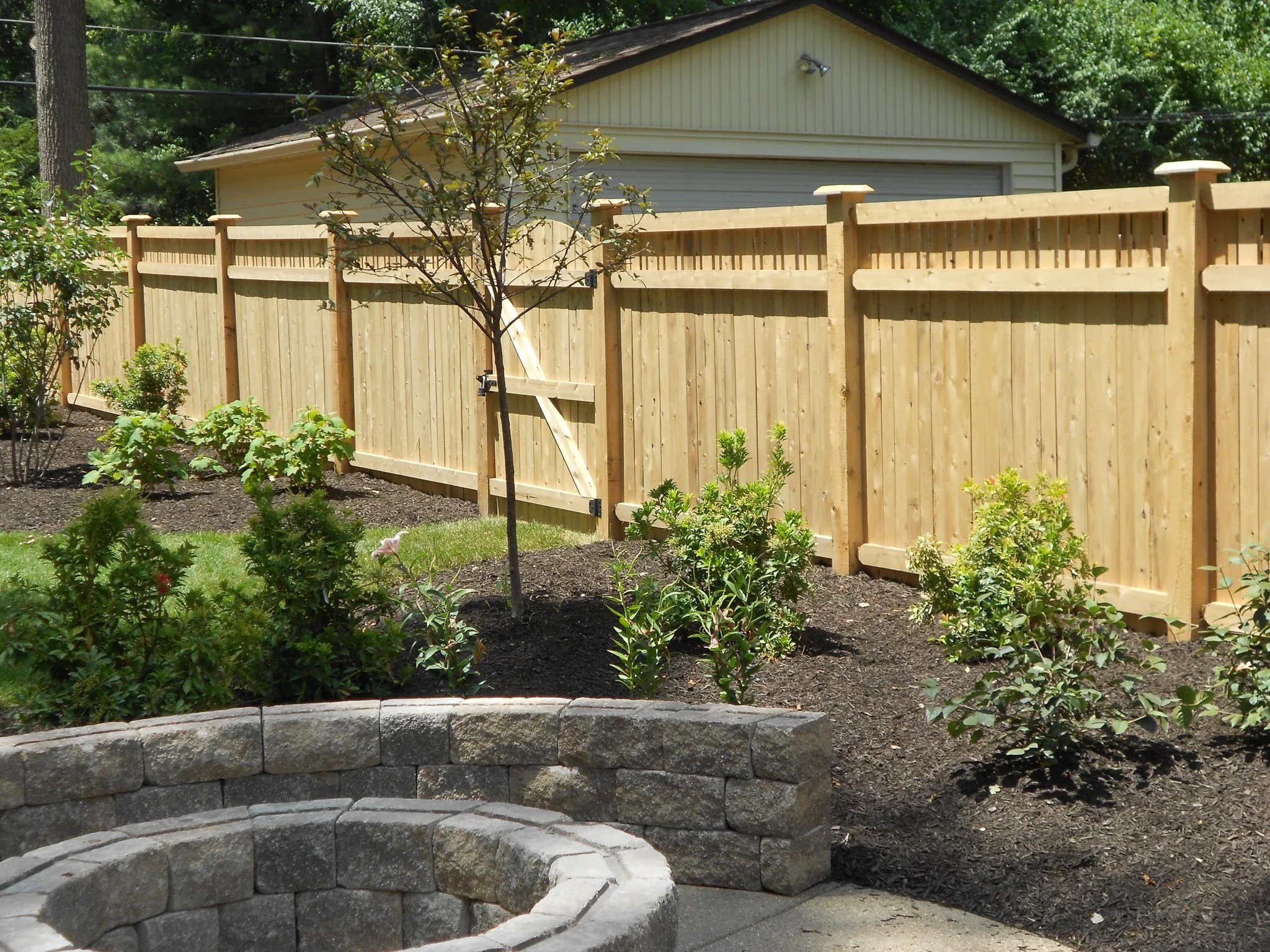
A Solid Privacy Fence in Ohio installed by Mae Fence.
If you drive through almost any neighborhood in Ohio, you’ll see it — fences that were once straight now leaning, sagging, or twisting out of line. Most of them aren’t that old either. Three, five, maybe seven years in, and they already look tired.
That doesn’t happen by accident. It happens because of how Ohio treats fence posts.
Ohio’s Freeze–Thaw Cycle Is Brutal
Every winter, the ground in Ohio freezes deep. Then in the spring, it thaws. That cycle repeats year after year, and when soil freezes, it expands. When it thaws, it settles. That movement pushes on anything buried in the ground — especially fence posts.
If a post isn’t set deep enough or strong enough, the ground will slowly work it loose.
Shallow Posts Are the #1 Cause of Leaning Fences
Many fences are installed with posts only two feet deep because it’s faster and cheaper. The problem is Ohio’s frost line is closer to three to four feet. Posts that don’t go below that frost line get lifted and shifted every winter.
That’s when gates stop lining up, panels start to sag, and the fence slowly falls out of square.
Cheap or Weak Posts Make It Worse
Even when posts are set deep, the wrong material can still fail. Soft pressure-treated posts twist as they dry. Low-grade vinyl posts flex. Once a post moves, everything attached to it follows.
That’s why you’ll often see an entire run of fence start to look wavy or crooked — one bad post throws off the whole line.
Water Is Always Working Against You
Ohio soil holds moisture. When posts sit in wet ground, rot and decay start from the bottom up. Most fence failures happen right at the ground line, where oxygen and moisture meet.
Once the base weakens, gravity does the rest.
How Mae Fence Builds to Prevent It
At Mae Fence, we install posts deeper than the frost line and use materials designed to stay straight and resist rot. Our heart-center cedar posts don’t twist or bow, and our commercial-grade vinyl framing doesn’t flex or crack like cheap vinyl.
That combination keeps fences square, straight, and stable long after most fences start to fail.
A Fence Shouldn’t Be Temporary
A fence is supposed to be a long-term part of your home — not something you worry about after a few winters. When posts are deep, strong, and built for Ohio conditions, a fence stays where it’s supposed to.
Straight. Solid. And looking good for years.