
Cedar vs Pressure Treated: Which Fence Material Is Best For Ohio?
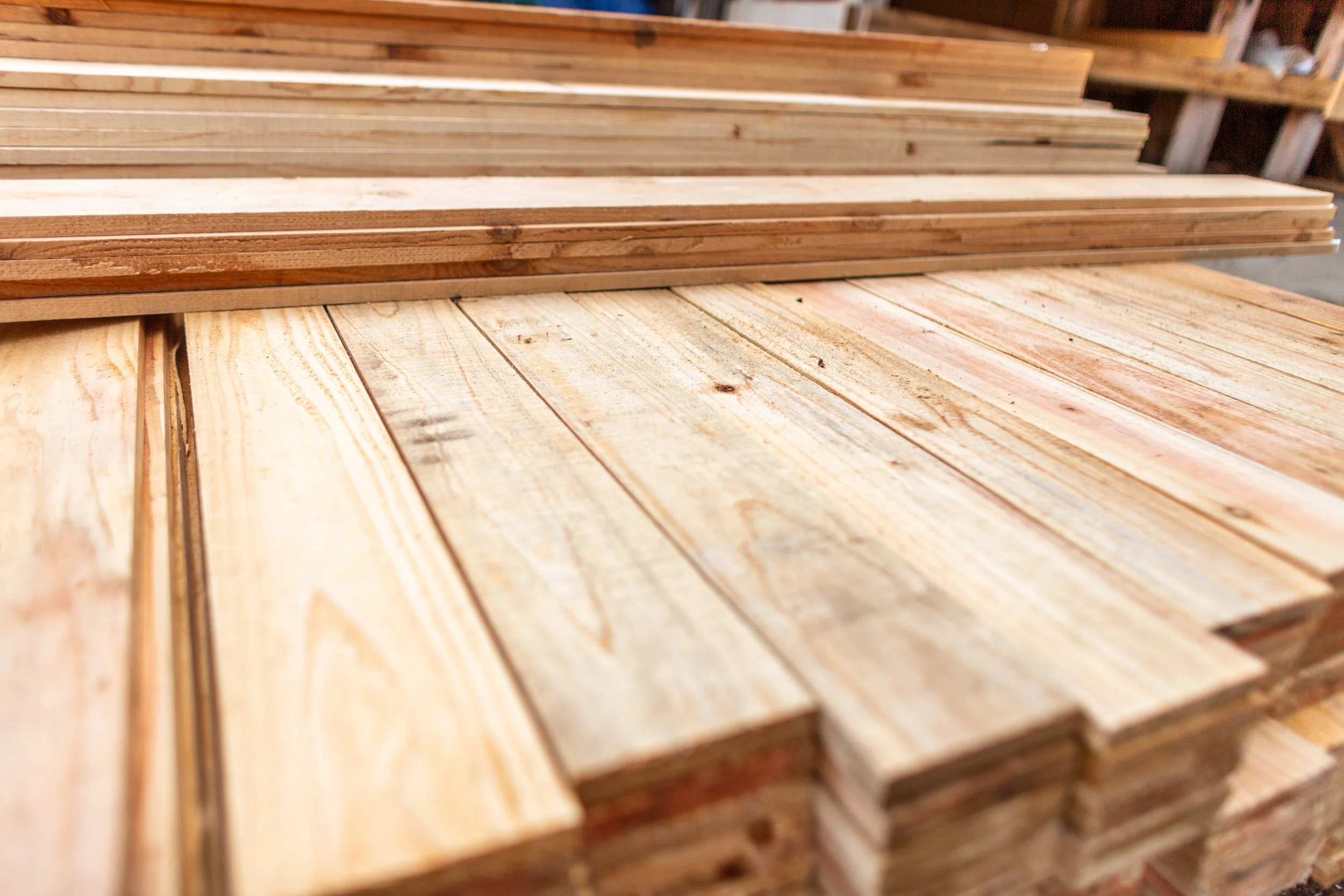
If you’re planning to install a fence in Ohio, one of the first decisions you’ll face is whether to use cedar or pressure-treated wood. Most fence companies mix the two, but the reality is that not all wood performs the same in Ohio’s soil and weather.
Between heavy rain, humid summers, and freezing winters, fences here take a beating. Choosing the right material is the difference between a fence that stays straight for decades and one that starts leaning after a few seasons.
What Ohio’s Climate Does to a Fence
Ohio is tough on wood. Moist soil, constant moisture, and freeze-thaw cycles cause the ground to move, and that movement puts stress on fence posts. When a post twists, bows, or rots underground, the entire fence starts to fail.
That’s why the most important part of any fence isn’t the boards you see — it’s the posts you don’t.
Cedar Has Always Been A Premium Fence Material
Cedar is naturally resistant to rot, insects, and moisture. It stays lighter, straighter, and more stable than most pressure-treated lumber, which is why it’s long been the gold standard for high-quality fences.
But even within cedar, there’s a big difference between average lumber and what really lasts.
Mae Fence Uses 100% Cedar — Even For Posts
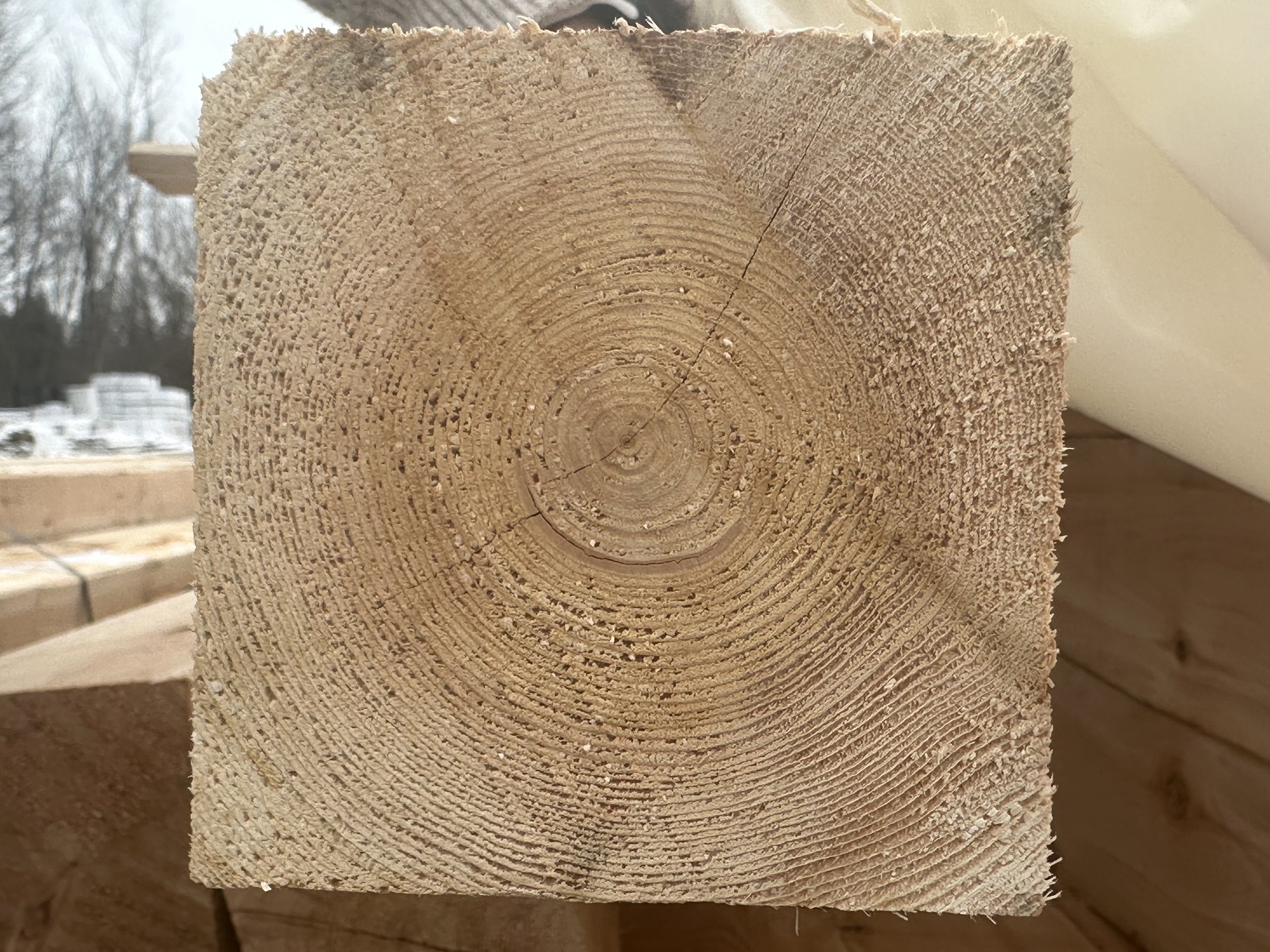
At Mae Fence, every fence we build is made from 100% cedar, including the posts. We use the heart-center (or “bullseye”) cedar posts, which are cut from the exact center of the tree.
If you look at the end of one of these posts, you’ll see tight growth rings forming a bullseye. This is the strongest, densest part of the tree.
Because these cuts are the strongest, our heart-center cedar posts:
• Stay Straight
• Don’t Bow or Twist
• Naturally Resist Rot
• Preform Better in Wet Ohio Soil
When installed correctly, they outlast common cedar and most pressure-treated posts — all without relying on chemical treatments.
Where Pressure-Treated Wood Falls Short
Pressure-treated posts are made from softer wood that’s soaked in chemicals to slow decay. Over time, those chemicals leach out and the wood dries unevenly. That’s when you start seeing twisting, splitting, and rot below the ground.
Once the post fails it will cause the gates to sag, panels to shift, and the fence to lean. That’s why so many Ohio fences look crooked after just a few years.
Cedar Looks Better — Especially When Stained
Cedar isn’t just stronger — it also looks better. Its tight, even grain allows stain to soak in smoothly, creating a rich, uniform color without blotches or streaks.
Cedar also holds stain longer. Because it absorbs and releases moisture evenly, stain doesn’t peel or fade as quickly. In Ohio’s changing weather, that means fewer re-stains and a fence that stays looking newer for longer.
Pressure-treated wood often holds moisture and chemical residue, which makes stain harder to apply and less durable.
Cedar vs Pressure-Treated: Which One Is Really Better For Ohio?
For Ohio homes, the best fences are built with heart-center cedar posts and cedar boards. It costs more up front, but it prevents the most common problems that shorten a fence’s life — warping, rot, and leaning.
At Mae Fence, we build fences the way they’re meant to be built: strong, straight, and designed to last in Ohio’s climate. That’s why we use heart-center cedar on every post, and why we stand behind every fence we install.